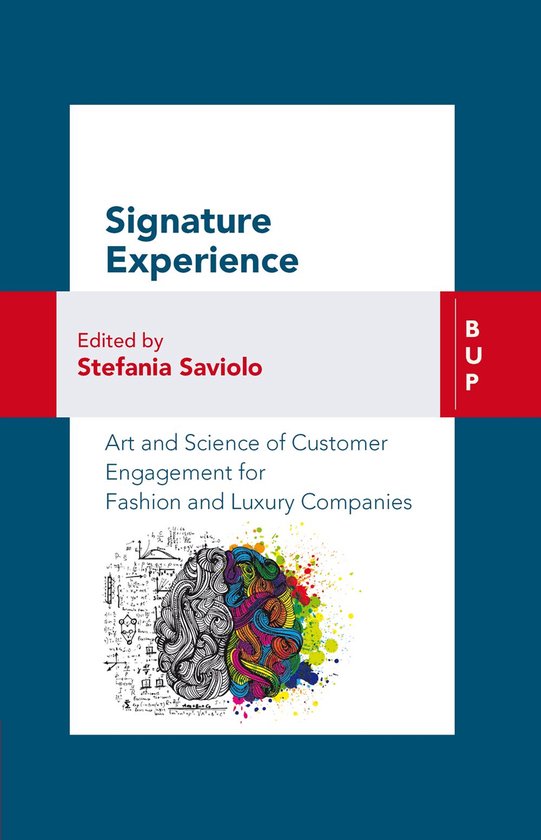
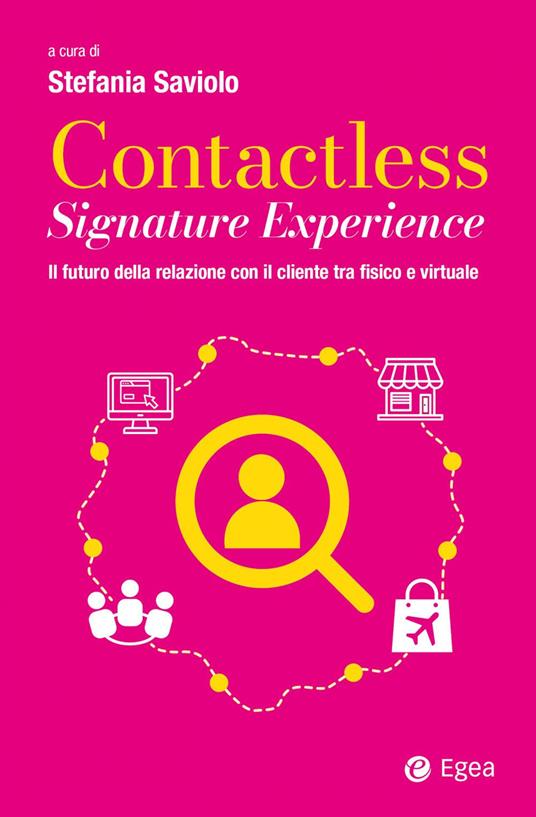
In 2021 after 2 years of pandemia in collaboration with JAKALA and Salesforce we have studied the effects of the new contacless interactions on the customer experience. The second book of the signature experience saga was published, Contactless Signature Experience. Here is my article (in Italian) for SDA Bocconi website talking about the meaning of Contactless Signature Experience.
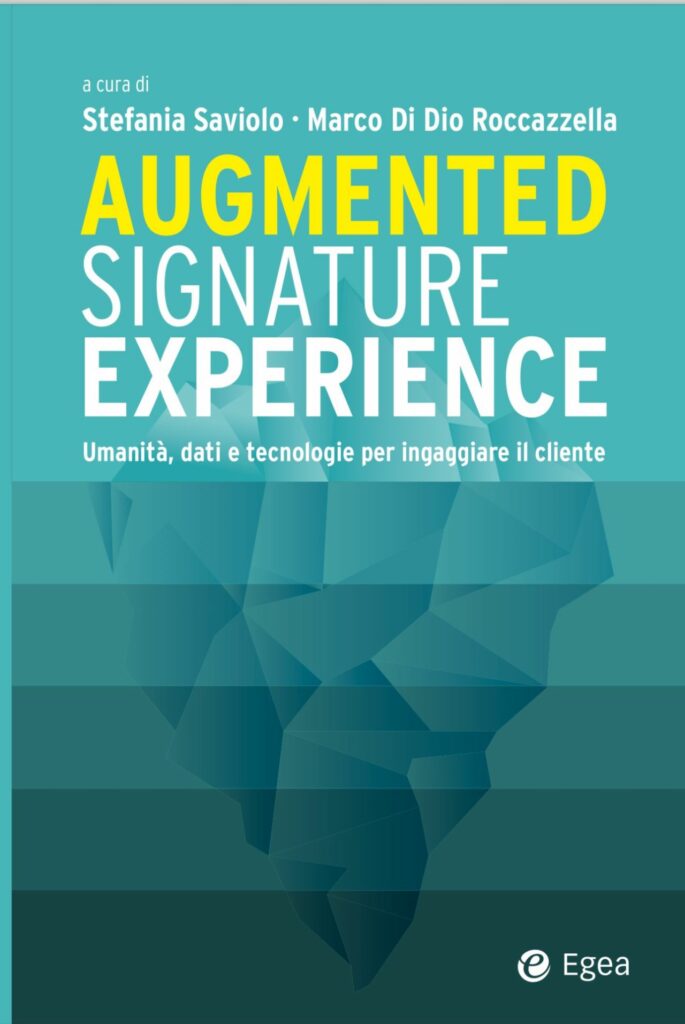
The third book about the signature experience saga is titled “augmented signature experience”. Published in 2024 after two years of reasearch with JAKALA and Mapp. The signature experience is an ever evolving topic, that’s why it deserves a Saga. We have understood that there is not any new normal after the pandemia just an ever evolving scenario.
In this new book we have defined:
- the augmented scenario in which companies and consumer live after the pandemia considering the demographic, professional, technological and normative transitions that are taking place globally;
- how the customer journey and all touchpoints become augmented from the transitions above
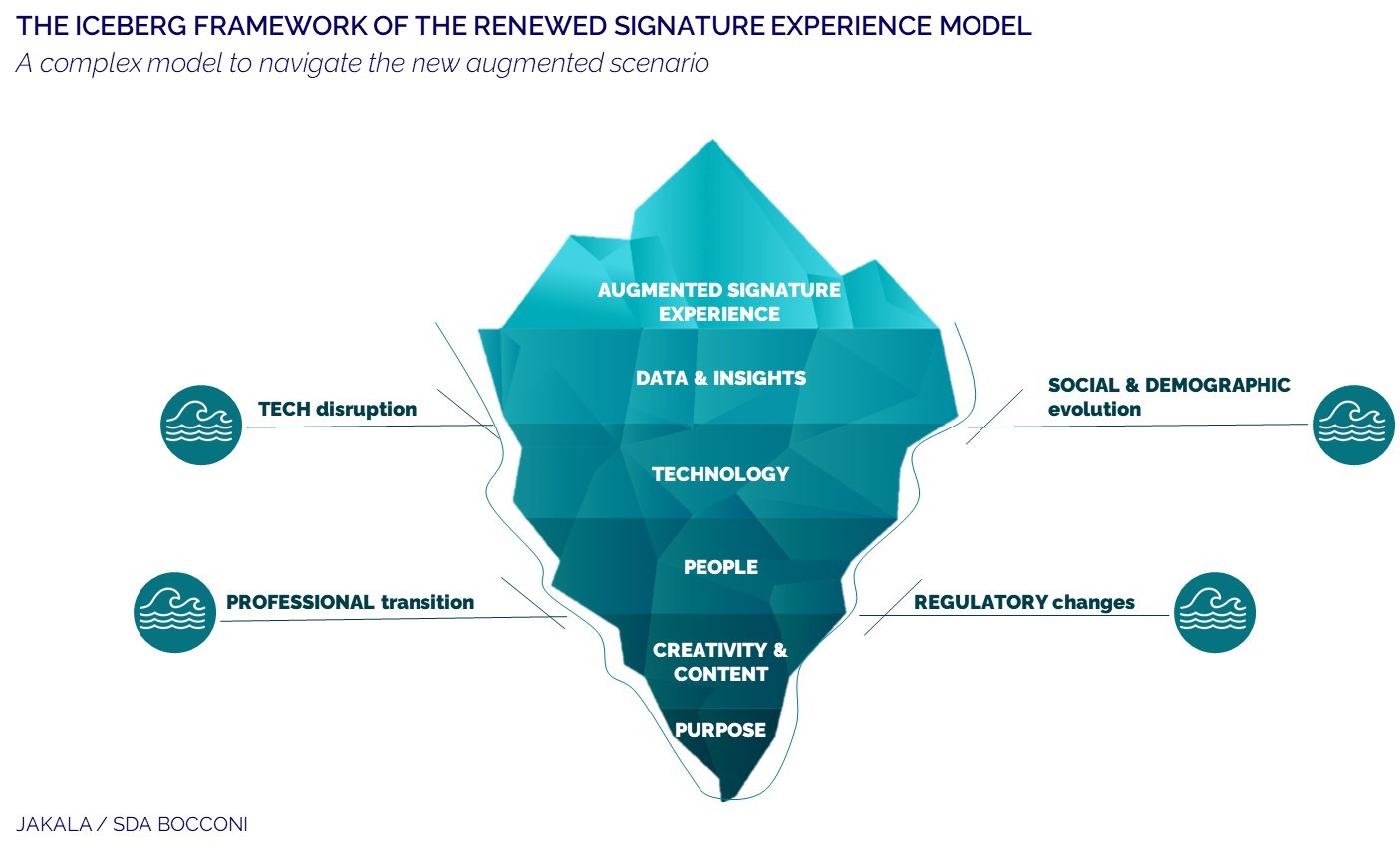
- the strategies companies should formulate and implement in terms of contents and creativity, insights, data and technologies, the people experience, the corporate purpose as indicated in the iceberg model.
Many great contributors and insights from international companies support our findings, from Luxury to Financial Services, from Retail to FMCG.
The first edition is in Italian and the international edition will arrive in 2025. Here the presentation (in Italian)
The new book was presented in Bocconi in March 2024 with a round table of experts from different industries. Here the event wrap up (in Italian) and link to an article on Advertising Week about the topic.
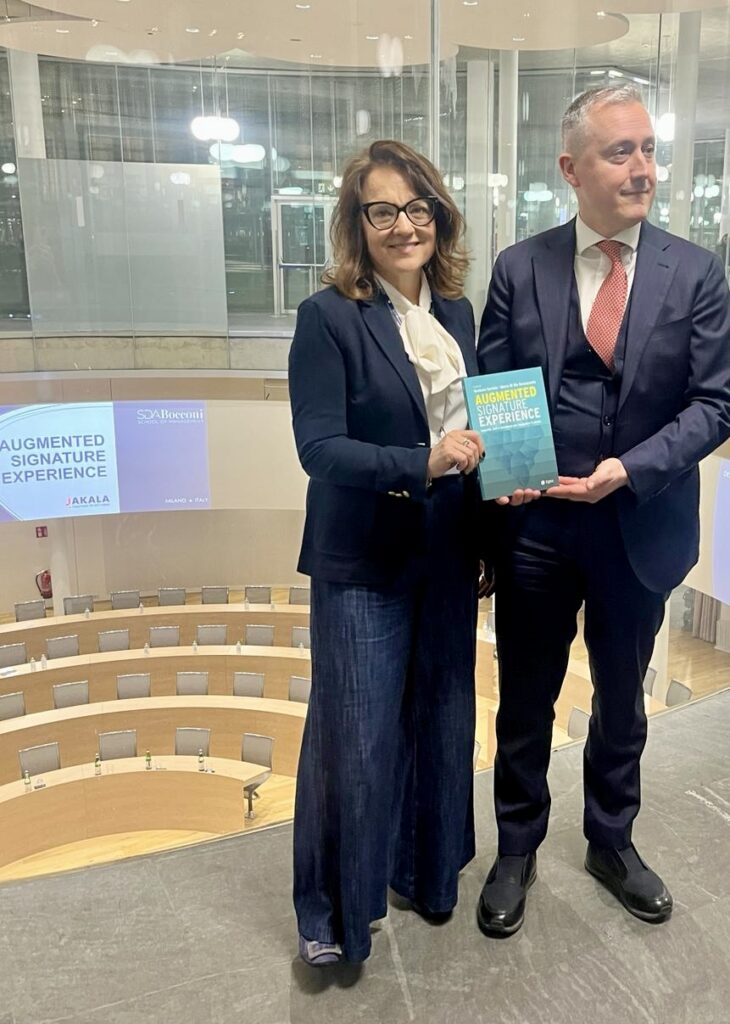
The Signature Experience model through six years of research. Event @ SDA Bocconi, March 20th, 2024
In the customer experience, augmented technology is an enabler of augmented humanity. This is the message of the event organized by SDA Bocconi and JAKALA on March 2024 on the occasion of the publication of the book Augmented Signature Experience by EGEA which summarizes 6 years of research on the relationship between brand and customer.
A very insightful panel of professionals.
Nicola Coropulos, CEO of Poltrona Frau, with the claim “intelligence of the hands”, told us how craftsmanship supported by technology creates value for their employees – to make manual work more efficient and safer, and for the end customer who can discover the art and details of manufacturing in digital form.
For chef Davide Oldani, the superior quality of humans and raw materials are the ingredients at the base of the experience offered in his restourants.
According to Giorgio Santambrogio, CEO of Vegè, if technology enables, man reassures: in retail grocery, technology simplifies but at the point of sale the customer is looking for the magic of dialogue and product narration. According to Paolo Pitton, CEO of the Swiss luxury department stores Bongenie Gridier, brands are not looking for spaces but places with meaning; and meaning is created by getting to know customers (personally and through meaningful data), contaminating assortments in an experiential logic, creating meaningful formats with respect to the local context.
Alessandra Gritti, CEO TIP closed the round table. In her experience as a retail investor, she explained how leaders and teams capable of navigating by sight but also of having a long-term vision and courage in investing are in great need today. In summary, we need “augmented” CEOs and teams to face an augmented scenario.
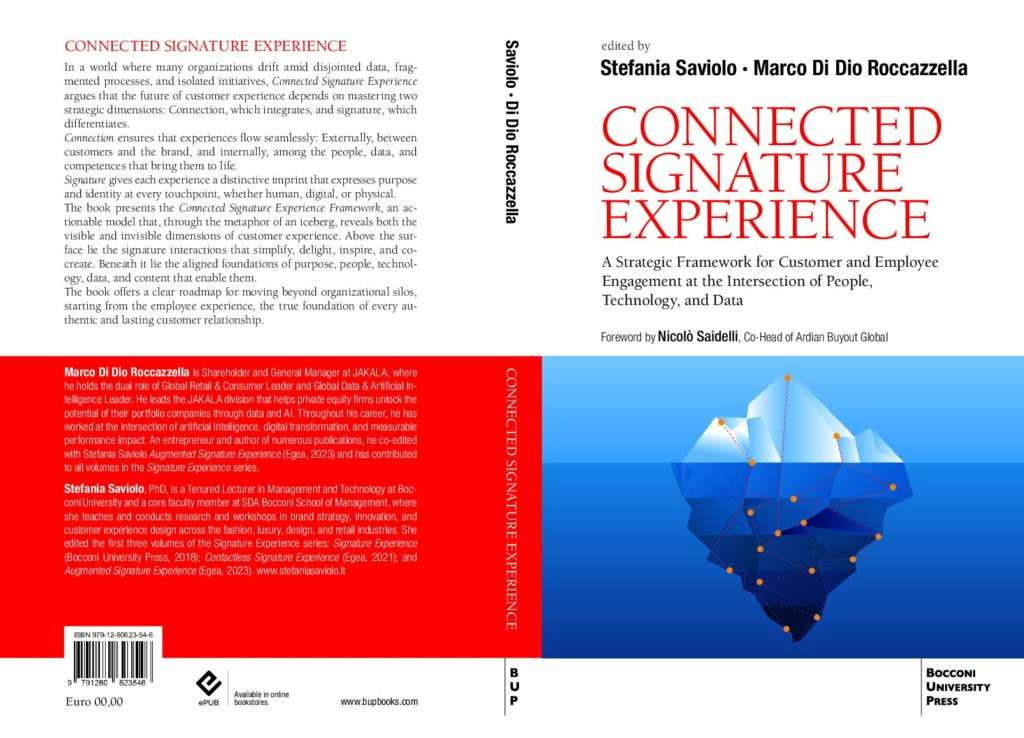
In 2026, the international edition of the book Augmented Signature Experience was published under the new title Connected Signature Experience. In recent years, the theme of connection—technological, but above all human and relational—has become central to business across all markets. This led to the decision to replace the word Augmented, which primarily conveyed a technological dimension, with Connected, a term that better reflects the depth and complexity of relationships between companies, people, and customers.
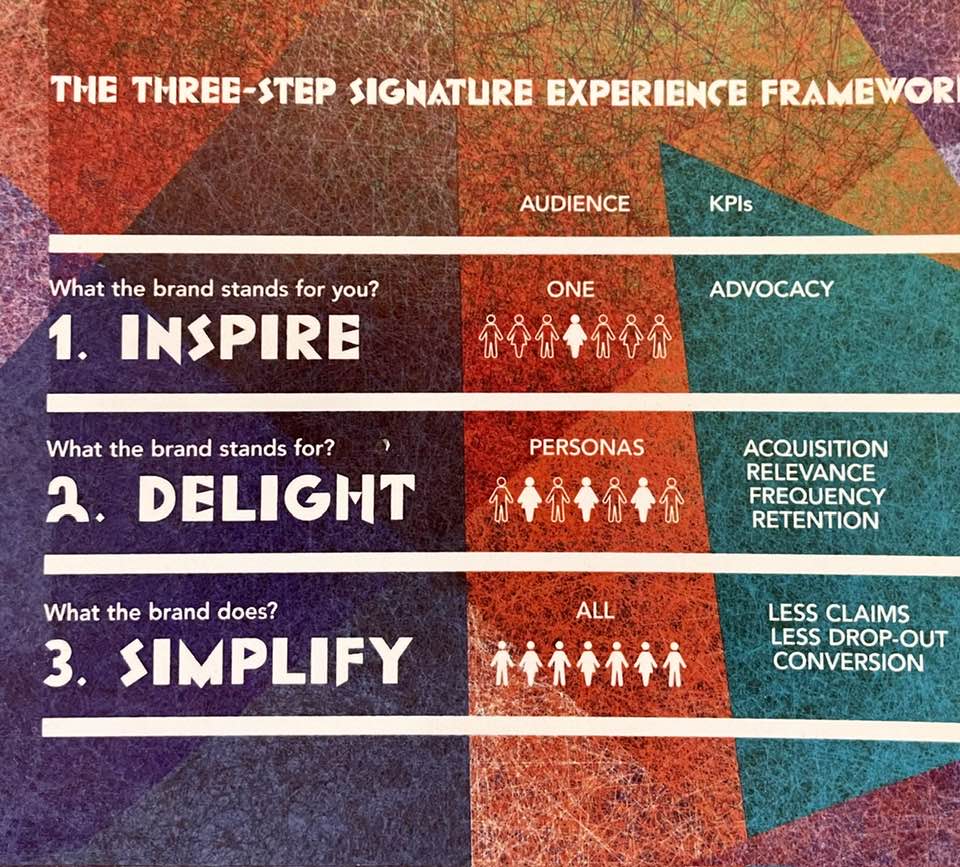
Connected Signature Experience retains the methodological framework developed since 2018, structured around four phases that each address specific customer needs, in line with the well-known sociological model of Maslow’s hierarchy of needs: Simplify, Delight, Inspire, and Co-create.
The Signature experience framework
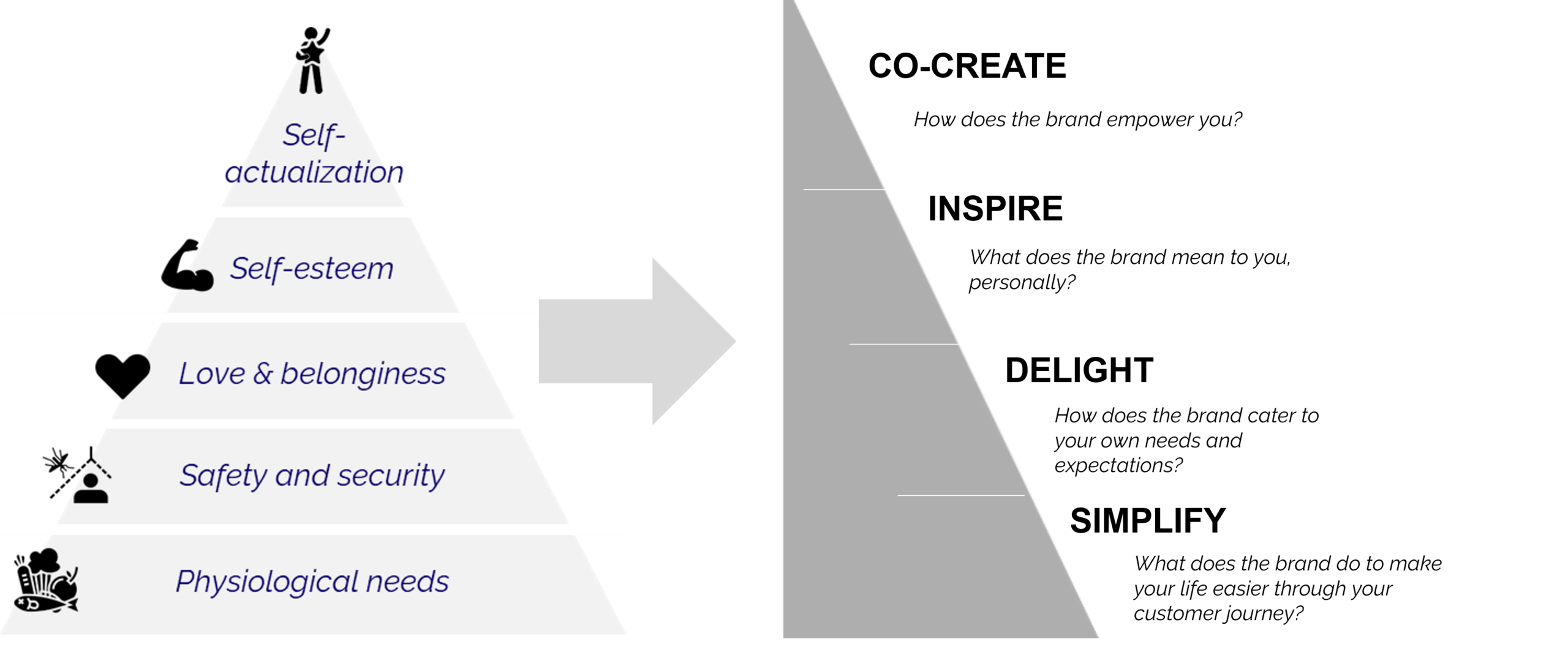
Source: Saviolo, Di Dio Roccazzella (2026)
However, these phases are now linked to the organizational dimension of the firm through the iceberg metaphor, we have developed in our previous book Contactless Signature experience and further elaborated in this new book. In the iceberg the visible part represents the Signature Experience framework, while the submerged part represents the organization and the factors that enable that experience.
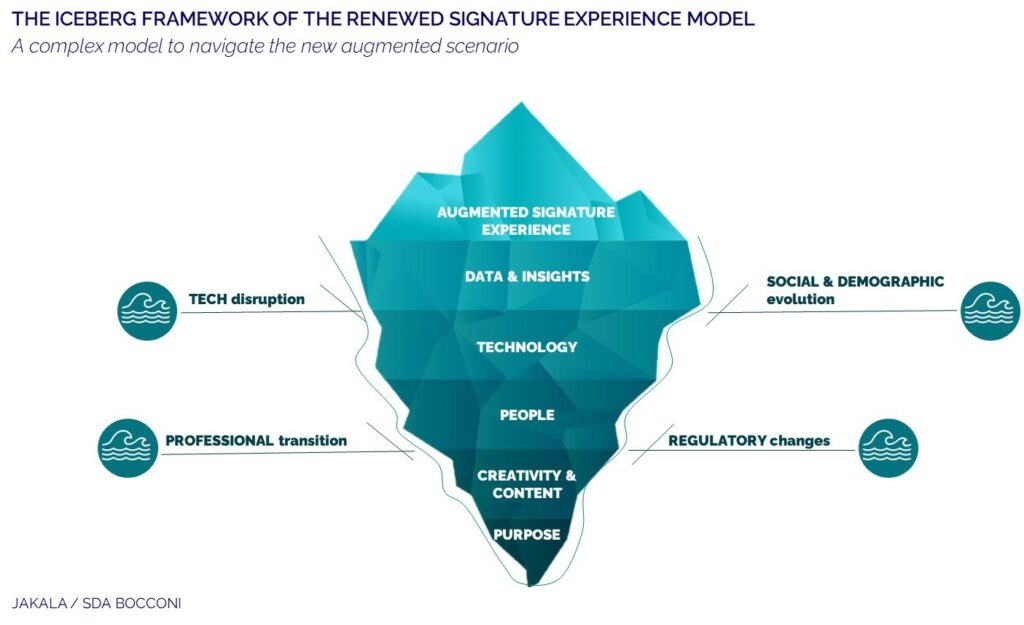
More specifically, the model identifies a series of enabling layers: data and insights; technology, people and organisation, creativity and content and finally the company’s and brand’s purpose. Purpose gives meaning to the entire system and creates a long-term connection not only with customers, but also with employees and all stakeholders.
The book is enriched by numerous case studies developed directly with company managers, including Bulgari, Azimut, Sanlorenzo, MSC Cruises, Generali, Wind Tre, and Nestlé, among others. Each case explores either a specific theme or one of the layers of the iceberg model.
The result is a model developed together with companies: complex in its structure, yet simple and practical in its application. It is a framework that can help any organization rethink both its approach to the end customer in designing the customer experience and the way this experience is enabled at the organizational level.